
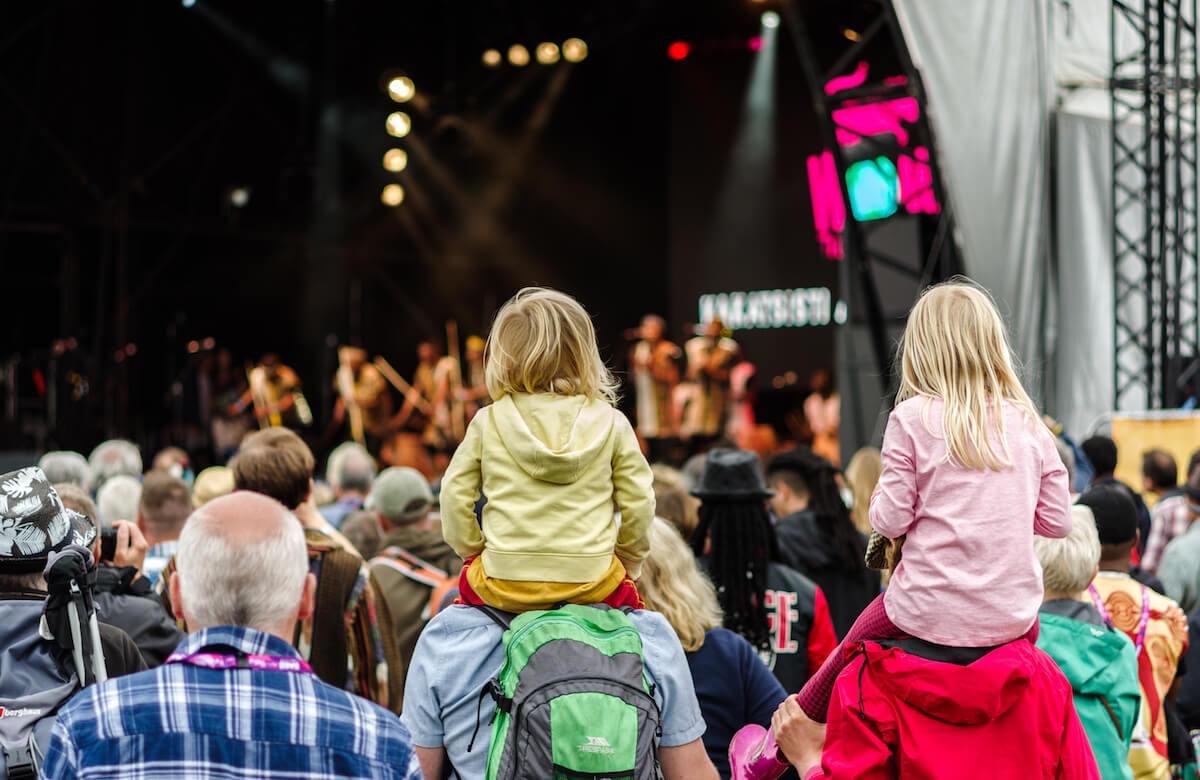
I’ve spent a good part of my life around music, stages, rehearsals, and concert tours. I’ve learned that even the best-planned shows come with surprises. Equipment breaks. Schedules change. Someone forgets something important. And occasionally, everything goes wonderfully right.
The funny thing is, I could say exactly the same thing about raising kids.
The more I think about it, the more I realize that parenthood is one long concert tour. There are late nights, unexpected detours, unforgettable performances, and plenty of moments when you’re just hoping everyone makes it to the next stop in one piece.
And somehow, despite the exhaustion and occasional chaos, you wouldn’t trade the experience for anything.
Every Tour Needs a Road Manager
Anyone who’s traveled with a band knows that somebody has to keep things organized. There are schedules to follow, places to be, meals to arrange, and a hundred little details that most people never see.
Sound familiar, moms?
For years, I’ve felt like the road manager of a very demanding family tour. Between school schedules, doctor’s appointments, birthday parties, grocery shopping, and everything else, keeping everyone moving in the right direction takes some serious coordination.
Of course, the band members don’t always appreciate the planning. They just want to know what’s for dinner and whether their favorite shirt is clean.
Some things never change.
Not Every Performance Goes as Planned
I’ve learned that live music requires flexibility. You can rehearse a song a hundred times, but something unexpected can still happen when you step onstage.
Parenthood works much the same way.
You can plan the perfect family vacation, only to have someone get sick. You can prepare a wonderful dinner that nobody wants to eat. You can offer what you believe is excellent advice, only to discover your teenager has absolutely no interest in hearing it.
Those moments used to frustrate me more than they do now.
Music has taught me that a missed note doesn’t have to ruin an entire performance. Sometimes you laugh, adjust, and keep playing. Parenting requires that same willingness to improvise.
The best memories often come from the moments nobody planned.
Everybody Gets a Turn in the Spotlight
In a band, every musician brings something different to the stage. The drummer keeps the beat. The guitarist adds personality. The background singers create beautiful harmonies. Everyone contributes something important.
Families have their own collection of personalities, too.
One child may love attention, while another prefers to stay quietly in the background. One might have a natural talent for music, while another finds joy in sports, art, or something entirely unexpected.
As parents, we get the wonderful opportunity to watch those personalities develop.
I’ve learned that each child deserves a chance to shine in their own way. Sometimes that means cheering loudly from the audience. Other times, it means stepping aside and giving them room to discover what they’re capable of doing.
And believe me, watching your child find their own spotlight can be more exciting than standing in one yourself.
The Crew Deserves Some Appreciation
A successful concert tour depends on countless people who rarely receive applause. There are sound engineers, drivers, stagehands, and others who work hard to make everything happen.
Parenthood has a support crew, too.
Grandparents, teachers, friends, neighbors, and family members often help us through the busiest seasons. They’re the people who offer encouragement, pick someone up when schedules collide, or simply listen when we’ve had a difficult day.
I’ve come to appreciate those people more with every passing year.
No parent can do everything alone, and there’s something beautiful about having people who genuinely care about your children.
Sometimes the most important members of our tour never step into the spotlight.
Enjoy the Show While It Lasts
Here’s something every performer understands: No matter how wonderful a concert is, eventually the final song arrives.
The lights come up. The audience heads home. The stage becomes quiet.
Parenthood has its own version of that moment.
One day, the children who needed help tying their shoes are driving themselves to school. The little voices calling for you from another room become older voices making plans for college, careers, and lives of their own.
It’s a wonderful thing to watch. It’s also enough to make a mom a little emotional.
That’s why I’m trying to appreciate the everyday performances while they’re happening. The laughter around the dinner table. The conversations in the car. The spontaneous kitchen dance parties. Even the occasional off-key family singalong.
Because someday, I’ll look back and realize those ordinary moments were the greatest hits of my life.
And when this particular tour reaches its final stop, I hope my children remember more than the schedules, the rules, and the occasional missed notes.
I hope they remember the laughter, the love, and the music we made together.
After all, every great tour leaves you with stories worth telling. And this one has given me a lifetime of them.

I’ve made plenty of mistakes in my life. Some happened onstage, some happened in the recording studio, and others happened in my kitchen, where the audience was much smaller but occasionally a lot harder to please.
As a mom and a musician, I’ve had more opportunities to fail than I could possibly count. I’ve sung the wrong note, struggled with a stubborn lyric, questioned a creative decision, and experienced the disappointment of working hard toward something that didn’t turn out the way I’d hoped.
And motherhood? Well, let’s just say that raising children provides a lifetime supply of opportunities to discover that you don’t have all the answers.
But here’s something I’ve learned along the way: Failure has been one of my greatest teachers. Some of the best things in my life have come from experiences that initially felt like disappointments.
Sometimes You Miss a Note
When you’re performing live, anything can happen. You might forget a lyric, miss a cue, or discover that the sound system has decided to develop a personality of its own.
Those moments can feel enormous when you’re standing under bright lights with an audience watching. But most of the time, the show goes on. You recover, trust your band, and find your way back into the song.
I’ve learned that audiences appreciate authenticity. They understand that performers are human, and sometimes an unexpected moment becomes one of the most memorable parts of a concert.
Life works much the same way. We can spend so much energy worrying about making mistakes that we forget to enjoy what we’re doing.
Motherhood Comes With Plenty of Wrong Turns
I’ve made parenting decisions I would handle differently today. I’ve worried too much about things that turned out fine and probably worried too little about others. I’ve had days when my patience ran out before my responsibilities did.
I think every mom knows that feeling.
We want to get everything right because we love our children so much. But our kids don’t need a mother who never makes mistakes. They need someone who shows them how to respond when things go wrong.
Sometimes that means apologizing. Sometimes it means changing our approach. Other times, it means admitting that we have absolutely no idea what we’re doing and figuring it out together.
There’s a wonderful kind of freedom in accepting that parenting is a lifelong learning experience.
Failure Can Lead Somewhere Unexpected
Some of my most valuable lessons in music have come from ideas that didn’t work.
A song might need another rewrite. A performance might reveal something I need to improve. An opportunity might disappear after I’ve spent weeks imagining where it could lead.
Disappointment is never fun, especially when you’ve invested your heart in something.
But those experiences can sharpen our instincts, strengthen our determination, and sometimes point us toward opportunities we wouldn’t have considered otherwise.
I’ve learned to ask myself a different question when something goes wrong: What can I take from this experience?
The answer isn’t always obvious right away. Sometimes you need a little distance, a little patience, and perhaps a good laugh before you recognize the lesson.
The Rewards of Showing Up Again
One of the greatest rewards of perseverance is discovering what you’re capable of overcoming.
Every time we try again after a setback, we build confidence. Every difficult experience teaches us something about our strengths, our priorities, and the people who support us.
There’s also something deeply satisfying about finally accomplishing something that once seemed impossible. That moment carries extra meaning because we remember the struggle that came before it.
I want my children to understand that lesson. I want them to pursue their dreams without believing every effort must end in victory. I want them to recognize that courage sometimes looks like trying again after everyone else has gone home.
Learning to Love the Imperfect Journey
I’ve spent years making music, raising a family, and discovering that life rarely follows the arrangement we originally imagined.
There have been wrong notes, missed opportunities, frustrating days, and plenty of moments I wish I could do over. But there have also been beautiful surprises, unexpected victories, and lessons I wouldn’t trade for anything.
Failure has taught me patience. It’s helped me develop humility, appreciate progress, and become more compassionate toward others who are struggling.
Most importantly, it’s reminded me that one disappointing moment never gets to define an entire life.
So if you’ve made a mistake today, welcome to the club. You’re in excellent company. Give yourself some grace. Learn what you can. Laugh when possible. Then gather your courage and try again.
After all, even the most beautiful songs sometimes need a few rewrites before they’re ready to be heard.
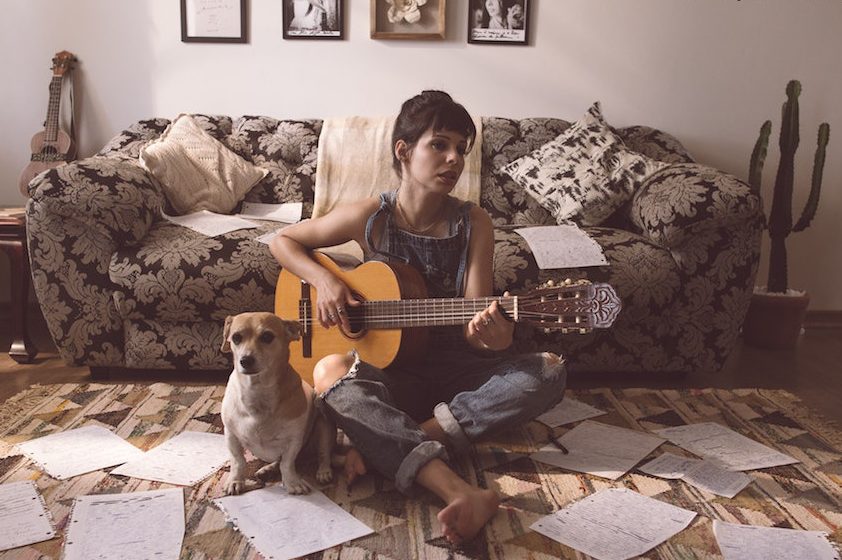
Writer’s block has incredible timing.
It rarely arrives when I’m folding laundry, sitting in traffic, or trying to fall asleep. Those are the moments when ideas seem to appear everywhere. Give me a quiet room, a cup of coffee, and two uninterrupted hours specifically set aside to write, though, and suddenly my brain has absolutely nothing to say.
Not one lyric.
Not one clever idea.
Apparently, creativity enjoys being difficult.
After years of writing songs, I wish I could tell you I’ve discovered the secret formula for eliminating writer’s block forever. I haven’t. What I have learned is that staring angrily at a blank page rarely scares it into cooperating.
A few other tricks work much better.
Write Something Terrible
This may be my favorite piece of writing advice because the expectations are wonderfully low.
When I’m stuck, I give myself permission to write something bad. A terrible lyric. A ridiculous rhyme. A verse I know will never survive until tomorrow.
The funny thing is that once words start appearing, better ones usually follow.
Perfectionism loves a blank page because nothing on it can be criticized. Creativity needs something messier. Sometimes you have to write the line that makes you cringe before finding the one that makes you smile.
Leave the Room
There comes a point when continuing to stare at the same four words becomes less like songwriting and more like a hostage situation.
That’s usually my cue to get up.
I’ll take a walk, make dinner, drive somewhere, or do something completely unrelated to music. Somehow, giving my brain another job allows it to keep working quietly in the background.
Then, naturally, the perfect line arrives when my hands are covered in dish soap and there’s no notebook anywhere nearby.
Creativity has a sense of humor.
Change What You’re Listening To
Music inspires music, but sometimes we get stuck listening to the same sounds, artists, and styles.
When my imagination feels tired, I’ll listen to something different. Maybe it’s an artist I haven’t heard in years. Maybe it’s a genre I wouldn’t normally choose. I might even turn the music off completely and listen to conversations, birds, traffic, or whatever else is happening around me.
Inspiration doesn’t always announce itself as inspiration.
A phrase someone says at the grocery store can become a lyric. A memory can suddenly become a story. One unusual word can open an entire door.
The trick is staying curious enough to notice.
Stop Waiting to Feel Inspired
This one took me years to learn.
I used to imagine inspiration as something that arrived dramatically, almost like lightning. Sometimes it does. Those moments are wonderful.
Most of the time, though, creativity shows up after I’ve already started working.
That’s why I try to sit down and write even when I don’t feel particularly inspired. I may produce nothing useful that day, but I’ve kept the door open.
Eventually, something walks through it.
Remember Why You Started
When writing becomes frustrating, I try to return to the reason I loved it before anybody heard the results.
Writing gives me somewhere to put thoughts, emotions, stories, questions, and experiences that otherwise might stay bottled up. Songwriting lets me take something personal and turn it into something another person might recognize in their own life.
That’s still pretty amazing.
And maybe that’s what I need to remember most. Writer’s block doesn’t mean I’ve run out of things to say. Sometimes the words are simply taking the scenic route.
So when writer’s block visits, I try not to panic anymore. I write badly. I walk away. I listen differently. I make coffee. I come back.
And if none of that works, I fold laundry.
For some reason, that’s usually when the chorus shows up.

Motherhood can be incredibly full.
For years, your days revolve around other people. There are schedules to remember, places to be, problems to solve, conversations to have, and countless little things that somehow become your responsibility. Even as your children grow and life changes, being a mom remains part of the rhythm of every day.
That’s why it can feel strange to admit something that doesn’t seem to fit into that picture.
Sometimes motherhood can be lonely.
When Everyone Needs You a Little Differently
There are seasons when being needed feels almost constant. Then, gradually, the way your children need you begins to change.
That’s a good thing. We raise our kids hoping they’ll become confident enough to make decisions, build lives, solve problems, and discover who they are. Watching that independence develop can make a mom incredibly proud.
It can also leave some unexpected quiet behind.
The conversations change. Everyone has somewhere to go. Family schedules become more complicated, and you may suddenly realize that the people who once depended on you for nearly everything don’t need you in quite the same way.
Nobody necessarily prepares us for the emotions that come with that transition.
A Full Life Can Still Feel Lonely
Loneliness doesn’t always mean being alone. That’s something I’ve come to understand more as I’ve gotten older.
You can have a loving family, wonderful friends, a career you enjoy, and a calendar filled with commitments and still experience moments when you feel disconnected. Moms are often so accustomed to checking on everyone else that we forget to ask ourselves a simple question: How am I doing?
I think we should ask it more often.
There shouldn’t be guilt attached to wanting connection of our own. Motherhood is an enormous part of who we are, but it doesn’t erase all the other parts.
Music Has Always Given Me Somewhere to Go
I’m fortunate that music has always provided another kind of connection in my life.
When I walk into a rehearsal, step onto a stage, write a song, or simply listen to an artist I love, I reconnect with a part of myself that exists beyond the daily responsibilities of being a mom. Music reminds me that I’m still curious, creative, ambitious, and capable of being surprised.
That’s one reason I believe every mom needs something that belongs to her.
It doesn’t have to be a career or a grand passion. Maybe it’s painting, hiking, volunteering, gardening, reading, exercising, traveling, or meeting a friend for coffee. The activity matters less than the connection it creates, both with other people and with yourself.
Reach Out Before You Think You Need To
I’ve also learned not to wait until loneliness becomes overwhelming before reaching toward someone.
Send the text. Make the lunch plans. Call the friend you’ve been thinking about. Go hear some live music. Invite someone over even if the house isn’t perfect. Tell another mom you’ve missed talking to her.
Chances are, somebody else has been feeling the same way.
We sometimes assume everyone around us is busy living wonderfully connected lives. Most people are simply navigating their own complicated days, hoping someone thinks to reach out.
There’s Room for You, Too
Motherhood changes as our children change, and perhaps part of growing alongside them is learning to make room for ourselves again.
That doesn’t diminish our role as mothers. I think it can actually enrich it.
Our children should see that we value friendship, creativity, community, and our own sense of purpose. They should know that loving your family deeply doesn’t require disappearing inside that love.
And moms should know something else, too: If life feels a little quieter than it once did, you don’t have to fill every empty space immediately. Listen to it. Reach out when you need connection. Rediscover something you’ve missed.
There may be parts of yourself waiting in that quiet, ready to make a little noise again.

There are places I can visit without ever leaving home.
All it takes is the right song.
A few familiar notes can put me back in a car I haven’t driven in years. Another song can remind me of a kitchen, a concert venue, a family vacation, or a stretch of highway I haven’t seen in forever. Suddenly, I remember details I didn’t even realize I’d kept: the weather, the people around me, maybe even what I was feeling at the time.
Music has an incredible way of attaching itself to places. Years later, one song can unlock the door and let us walk right back in.
Some Places Come With Their Own Music
I’ve spent a lot of my life traveling because of music. There have been stages, dressing rooms, recording studios, long drives, hotel rooms, fairs, festivals, and plenty of places in between.
Naturally, certain songs become connected to those experiences.
Sometimes it’s one of my own songs that brings back memories of performing it somewhere special. Other times, it’s whatever happened to be playing while we were traveling. The song itself might have nothing to do with the place, but somehow my brain decided they belonged together.
I think most of us have those connections.
Maybe a certain album takes you back to your first apartment. A summer song reminds you of the beach. Something you heard repeatedly during a family road trip instantly puts you back in the passenger seat.
Our memories apparently have excellent DJs.
Home Has a Soundtrack, Too
Some of the strongest musical memories aren’t connected to exciting destinations at all. They’re connected to home.
As a mom, I think about all the music that has filled our house over the years. Songs playing while dinner was being made. Music coming from another room. Kids singing something over and over until everyone in the family knew every word whether we wanted to or not.
At the time, those moments can feel completely ordinary.
Then years pass.
Suddenly, hearing one of those songs can bring an entire season of family life rushing back. The house looks different in your memory. The kids are younger. Life has a different rhythm.
That’s when you realize the ordinary moments were becoming memories while you were busy living them.
Sometimes the Place Changes
There’s also something bittersweet about returning to a place that holds strong memories.
The restaurant may have a different name. The neighborhood may look different. A favorite venue might be gone altogether. Even our childhood homes eventually belong to someone else.
But music can preserve the version we remember.
A song doesn’t care that the building was remodeled or the road looks different now. Press play, and suddenly everything is exactly where you left it.
I find something comforting about that.
We can’t freeze time, and I’m not sure we’d really want to. But music gives us a way to visit the past without needing to live there.
We’re Creating Soundtracks Right Now
This is what I love most about the connection between music and place: We’re still creating these memories.
The song playing during today’s car ride might someday remind your child of being 10 years old. The playlist you put on while cooking dinner may become part of what “home” sounds like to them years from now.
We rarely know which moments will stick.
So play the music.
Turn it up during the road trip. Dance in the kitchen. Go to the concert. Sing badly in the car. Let your kids choose the same song for the hundredth time.
Someday, you may hear those first few notes again and discover that the song has been quietly holding a place for you all along.

Every performer knows the wonderful feeling of hearing applause.
You finish a song, the final note hangs in the air for a second, and then the room responds. No matter how many times I’ve experienced it, I’m still grateful when an audience connects with something I’ve performed.
But some of the most important applause I’ve received in my life happened long before there was a crowd.
It came from the people who believed in me when there was nothing particularly impressive to applaud yet. They encouraged an idea before it became a song, supported a dream before it became a career, and reminded me to keep going when the audience seemed very far away.
I’ve learned that everyone needs people like that.
Belief Usually Comes Before Evidence
It’s easy to celebrate someone after they’ve succeeded. The harder job belongs to the person who believes before there’s proof that everything will work out.
Those people see possibility.
Maybe it’s a parent listening patiently while a child practices the same song for the hundredth time. Maybe it’s a spouse who says, “Go for it,” when a new opportunity feels intimidating. It could be a friend who shows up to an early performance when there are more empty chairs than occupied ones.
They aren’t applauding the accomplishment yet. They’re applauding the courage to try.
That kind of encouragement can change someone’s life.
Every Dream Needs an Early Audience
Musicians understand the importance of an audience, but I’ve realized that we all have audiences in our everyday lives.
Our kids certainly do.
They look toward us after they draw a picture, score a goal, learn a song, or try something new. Sometimes what they’ve created isn’t perfect. Usually, that’s beside the point. They’re asking a much bigger question without saying it aloud:
“Do you see me?”
Our response matters.
Encouragement doesn’t mean telling our children they’re wonderful at everything. They need honesty, guidance, and room to improve. But they also need someone who notices the effort behind the result.
Sometimes a little encouragement gives them enough confidence to try again.
I’ve Needed Those People, Too
A career in music comes with plenty of exciting moments, but it also includes rejection, uncertainty, long drives, difficult rehearsals, and performances that don’t unfold exactly as planned.
During those times, applause isn’t always coming from a crowd.
That’s when the people closest to you matter most.
I’ve been fortunate to have family, friends, musicians, and others along the way who have reminded me why I started. Their encouragement didn’t magically remove the difficult moments. It gave me another reason to keep moving through them.
Sometimes one person saying, “I believe in you,” can be louder than an entire room saying nothing.
Be the Person Who Claps First
The older I get, the more I realize that encouragement is one of the easiest gifts we can give and one of the most powerful.
Tell your friend her idea has potential. Cheer when your child tries something difficult. Compliment the musician playing to a half-empty room. Encourage the person beginning a new career, learning a new skill, or chasing a dream that hasn’t made sense to everyone else yet.
We never really know when someone is questioning whether to continue.
Your encouragement might arrive on exactly the day they need it.
Before the Standing Ovation
Big moments are wonderful. Awards are exciting. Recognition feels good. A room full of people applauding something you’ve worked hard to create is a feeling I’ll never take for granted.
But I’ve learned to appreciate something even more.
Before most standing ovations, there was usually one person clapping. Someone believed before everyone else noticed. Someone showed up before it was convenient. Someone saw potential before there were accomplishments to prove it.
Those are the people I never want to forget. And whenever I have the opportunity, I want to be that person for someone else.
Because sometimes the applause that changes a life doesn’t come at the end of the performance.
It comes before the show has even begun.

When did changing your mind become such a bad thing?
We praise people for sticking to their guns. We admire determination. We tell our kids to finish what they start, and we celebrate people who choose a path and refuse to leave it. I believe in commitment as much as anyone. You don’t build a career in music without learning how to keep going when things get difficult. Trust me.
But I’ve also learned that sometimes the smartest, healthiest, and bravest thing you can say is, “I don’t think that anymore.”
Life gives us new information. We have new experiences. We meet people who challenge our assumptions. We grow. Why wouldn’t some of our opinions, priorities, and dreams grow with us?
The Person Who Made the Plan Isn’t the Person You Are Today
I’ve made plenty of plans in my life. Some worked beautifully. Others probably deserved to be abandoned much sooner than they were.
That’s because we usually make plans based on what we know at that particular moment. Then life happens.
Motherhood certainly changed the way I saw the world. So did marriage. So did years of performing, writing songs, meeting people, experiencing disappointments, and celebrating unexpected victories. Every experience added something to the person making the next decision.
I wouldn’t want to think exactly as I did 20 years ago. I hope I’ve learned something since then!
Changing your mind doesn’t erase the person you used to be. Sometimes it honors how much that person has grown.
Music Leaves Room for a Better Idea
Songwriting has taught me this lesson repeatedly.
You can become convinced that a lyric is perfect until somebody suggests one word that makes the entire line better. You can hear a song one way in your head, then musicians walk into the room and take it somewhere you never imagined.
You have two choices. You can protect your original idea simply because it was yours, or you can recognize that something better just walked through the door.
I’ve learned to listen.
Creativity requires enough confidence to bring an idea into the room and enough humility to let that idea change.
Our Kids Are Watching Us Grow, Too
As parents, we sometimes feel pressure to have all the answers. Admitting that we were wrong can feel like surrendering some of our authority.
I see it differently.
I want my kids to know that adults can reconsider things. We can apologize. We can hear another perspective and say, “You know what? You have a point.” We can discover that something we once believed no longer makes sense to us.
Imagine how freeing that lesson can be for a child. They don’t have to get everything right the first time either.
Some Dreams Are Allowed to Change
This applies to bigger things, too. The career you wanted at 25 may not fit you at 45. A goal that once consumed you may lose its importance. Something you never imagined wanting may suddenly feel exactly right.
That doesn’t mean you failed.
We’re allowed to edit the picture of what a good life looks like.
I’ve spent enough years making music to know that you can’t force every song to follow the arrangement you originally imagined. Sometimes you have to change the tempo, move the key, rewrite the chorus, or throw out a verse entirely.
Life isn’t all that different.
Keep Listening
There are values I hope I’ll carry forever. Love. Kindness. Gratitude. Family. Integrity. The things at the center of who we are deserve roots.
But everything else deserves a little room to breathe.
I want to keep meeting people who make me reconsider things. I want to remain curious enough to discover that I was wrong and secure enough to admit it. I want to keep becoming someone my younger self wouldn’t completely recognize but would hopefully be proud to meet.
Changing your mind doesn’t always mean you’ve lost your way. Sometimes it shows that you’re still paying attention.

People love to talk about the lead singer.
The spotlight finds her first, and it’s easy to assume the whole show rests on her shoulders. I understand why. I stand at the front of the stage every night. But if you ask me what actually makes a show work, my answer has nothing to do with me.
It’s the six people standing behind me.
Nobody Builds Anything Great Alone
I’ve got a drummer who spent over twenty years touring with Rita Coolidge. A bass player who’s shared stages with Crosby, Stills & Nash and now teaches the next generation at Musicians Institute. A keyboardist the LA Times once called a “musical ace.” A music director who’s kept a band running smoothly across more shows than I can count. A guitarist who understands that honoring a song matters more than showing off. And a vocalist who spent two years singing behind Bruce Springsteen.
I didn’t build a band. I built a family of people, each better at their instrument than I could ever pretend to be.
That’s the part nobody tells you when you’re starting out, chasing the dream of being “the singer.” The dream isn’t really about being the best voice in the room. It’s about finding the right people to stand next to, and then having the humility to let them do what they do.
Motherhood Taught Me This First
Long before I understood it on stage, I understood it at home.
No mother raises her kids alone, not really. There’s a teacher who sees something in your child that you missed. A grandparent who shows up exactly when you’re running on empty. A friend who takes your kid for the afternoon so you can breathe. We like to imagine motherhood as one woman doing everything, but the truth is closer to a band. Everyone playing their part so the whole thing sounds right.
I didn’t learn to trust my band by accident. I learned it first by trusting the people who helped me raise my kids.
Trust Sounds Like Something
There’s a specific feeling on stage when everyone locks in together, when the harmony lands exactly where it should, when the rhythm section is so tight you stop thinking about the beat and just feel it. That feeling doesn’t happen by accident. It happens because six people have spent years, sometimes decades, learning how to trust each other completely.
I think that’s also true off stage. The best things in my life, my marriage, my friendships, raising my kids, have all come from the same place: showing up, doing the work, and trusting the people around me to do theirs.
The Real Lesson
I used to think being a strong woman meant doing everything myself. Somewhere along the way, on stage and at home, I learned something better.
Strength isn’t doing it all alone. It’s knowing exactly who to stand next to.
So next time you catch me live, do me a favor. Don’t just watch me. Watch the band behind me too. That’s where the real magic is happening.

I used to think I was the one bringing music into this house.
I write the songs. I book the shows. I’m the one humming a new melody while I’m making dinner, driving carpool, or folding laundry at eleven at night because that’s apparently when inspiration likes to show up uninvited.
But somewhere along the way, I started noticing something. My kids weren’t just along for the ride. They were teaching me things about music, and about myself, that twenty years on a stage never did.
They Don’t Perform. They Just Sing.
Watch a child sing sometime. Really watch. They’re not thinking about pitch or presentation or whether the bridge lands right. They’re just singing because it feels good to sing.
I’ve spent a career thinking about phrasing, about how a lyric sits in a room, about whether a chorus is catchy enough to matter. All of that has its place. But my kids reminded me that the very first reason any of us fell in love with music wasn’t strategy. It was joy. Somewhere between the studio and the setlist, it’s easy to forget that the whole thing started as pure fun.
Repetition Isn’t the Enemy
If you’ve ever had a five-year-old ask for “the same song again” for the fifteenth time in a row, you already know where this is going.
As a songwriter, I used to treat repetition like something to avoid, always chasing the next idea, the next hook, the next thing. My kids taught me that returning to something you love isn’t a lack of imagination. It’s devotion. There’s a reason certain songs get requested over and over in our house, and it’s the same reason certain songs get requested over and over on the radio. Familiarity isn’t boring. It’s comfort. It’s home.
They Hear What I Miss
Kids catch things. A harmony you almost skipped. A word you mumbled instead of sang clearly. A song on the car radio that you weren’t even paying attention to, until your kid pipes up from the backseat singing it note for note.
Their ears are wide open in a way mine sometimes aren’t anymore, worn down by years of listening critically instead of just listening. They remind me that a great song doesn’t need my professional opinion to be great. It just needs someone to feel it. And nobody feels things faster or more honestly than a kid.
Music Is a Language They Already Speak
I didn’t have to teach my children to love music. I only had to let them see me love it out loud, unapologetically, imperfectly, at the kitchen counter with a wooden spoon standing in for a microphone.
That’s the part of this job nobody puts on a press release. Somewhere between the shows and the sessions, I’m also raising people who are watching how I handle a bad rehearsal, a good review, a long night, an early morning. They’re learning what it looks like to keep showing up for something you love.
I set out to give my kids music. Turns out they’ve been quietly handing pieces of it right back to me the whole time, teaching me to sing louder, laugh easier, and stop worrying so much about getting it right.
Some lessons you can’t write in a song. You just have to live them, preferably with a five-year-old singing backup.
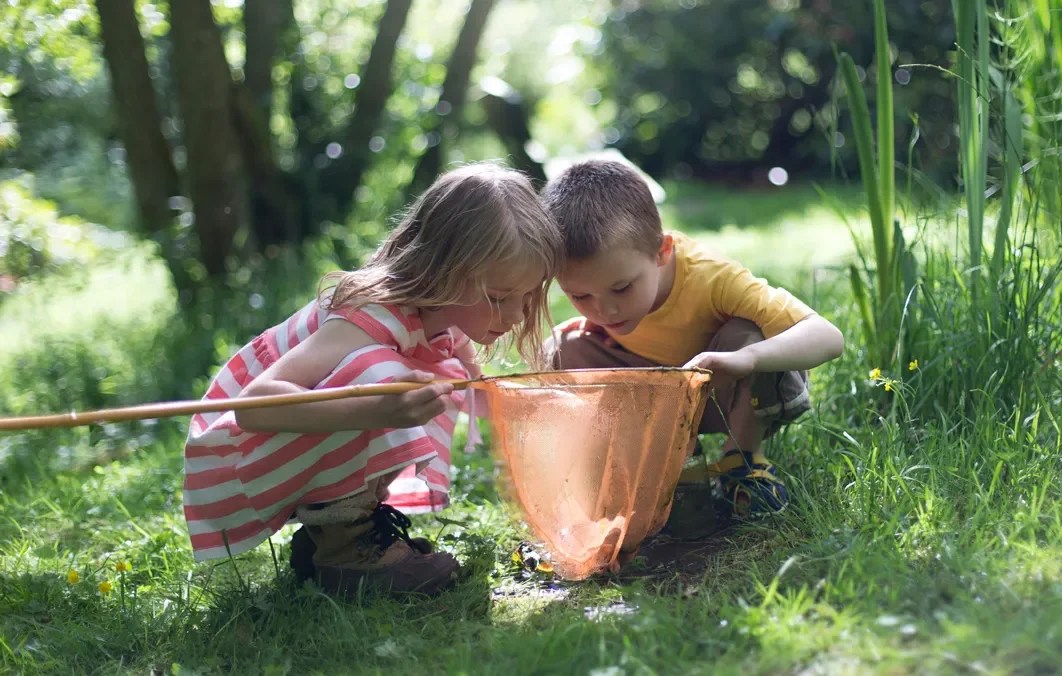
When we become parents, we naturally assume we’ll spend years teaching our children. We help them learn to walk, read, ride a bike, say “please” and “thank you,” and navigate the ups and downs of life. We answer questions, offer advice, and hope we’re giving them the tools they’ll need to thrive.
But somewhere along the journey, something surprising happens.
Our kids begin teaching us.
As a music mom, I’ve realized some of life’s greatest lessons haven’t come from books, concerts, or even years of experience. They’ve come from watching my children see the world through fresh eyes. Their perspective reminds me that growing older doesn’t always mean growing wiser. Sometimes wisdom comes from approaching life with the openness of a child.
Curiosity Keeps Life Interesting
Children have an incredible ability to ask questions about everything. They want to know why the sky changes colors, where birds go in the winter, how music is written, and what makes people smile. Their curiosity doesn’t come with embarrassment or fear of asking too much. They simply want to understand the world.
As adults, we often lose some of that wonder. We become busy, comfortable with routine, and convinced we already know enough. Watching my kids reminds me that curiosity keeps us growing. It encourages us to explore new ideas, meet new people, and continue learning long after school is over.
The day we stop asking questions is often the day we stop discovering.
Forgiveness Can Be Simple
One thing children often do remarkably well is move forward. Two siblings may argue over a toy one minute and laugh together the next. A disagreement that would linger for days between adults sometimes disappears in a matter of minutes.
That has challenged me more than once.
As adults, we tend to replay conversations, hold onto hurt feelings, and revisit disappointments long after they happen. Our children remind us that forgiveness isn’t about pretending something never happened. It’s about deciding not to let yesterday steal today’s joy.
That’s a lesson worth carrying into every relationship.
Play Isn’t Just for Kids
Somewhere between paying bills, managing schedules, and checking items off endless to-do lists, adults can begin treating play like a luxury instead of a necessity.
Children know better.
They laugh freely. They dance without worrying who’s watching. They create imaginary worlds from cardboard boxes and blankets. They remind us that joy doesn’t always require a reason.
Music has taught me the same thing. Some of my happiest moments happen when I stop worrying about perfection and simply enjoy creating, singing, and sharing the experience with others.
Maybe growing up shouldn’t mean leaving play behind. Maybe it means making room for it again.
Honesty Is Refreshingly Simple
Kids also have a wonderful way of telling the truth. Their observations may be unexpected, funny, or even a little uncomfortable, but they usually come from a place of sincerity rather than pretense.
That honesty reminds me how much energy adults spend trying to impress other people or say exactly the right thing. Children often skip all of that. They speak from the heart.
As a songwriter, I’ve learned that the songs people connect with most are usually the honest ones. The same principle applies to life. Authenticity creates deeper relationships than perfection ever could.
Living in the Moment
Perhaps the greatest lesson my children continue to teach me is how to be present. They don’t worry much about next month while they’re chasing butterflies today. They don’t spend an afternoon thinking about yesterday’s mistakes while they’re building a blanket fort in the living room.
They’re fully engaged in the moment they’re living.
I wish adults remembered how to do that more often.
Life moves quickly. Our children grow faster than we expect, and the ordinary moments eventually become the memories we treasure most. That’s why I’m learning to slow down, put away distractions, and truly experience the day that’s right in front of me.
As parents, we’ll always have the privilege of teaching our children. But if we pay close attention, we’ll discover they’re teaching us right back.
They remind us to stay curious. To forgive more quickly. To laugh more often. To tell the truth. To appreciate today.
Those are lessons I’ll gladly keep learning for the rest of my life.

Now that the Fourth of July fireworks have fizzled out and stores are filling their shelves with back-to-school supplies, it’s easy to feel like summer is already coming to an end. Every year, those first displays of backpacks and notebooks seem to send the same message: Time’s up.
But I don’t believe that for a second.
The calendar still gives us weeks of sunshine, warm evenings, and opportunities to make memories together. Summer isn’t defined by what stores are selling. It’s defined by how we choose to spend the days we still have.
I’ve learned that some of our family’s favorite memories have happened during those quieter weeks when the crowds thin out and life slows down just a bit. If you’re looking to squeeze every last drop out of summer, here are a few ideas that are still waiting for you.
1. Plan One More Family Picnic
Pack simple sandwiches, fresh fruit, and your favorite drinks, then head to a local park. Sometimes the best conversations happen on a picnic blanket.
2. Chase One More Sunset
Find a hilltop, a beach, a porch, or your own backyard. Slow down long enough to watch the sky change colors together.
3. Visit a Local Farmers Market
Fresh peaches, tomatoes, sweet corn, homemade treats, and friendly conversations make for a wonderful family outing while supporting local businesses.
4. Take a Scenic Drive
Choose a road you’ve never explored before. Roll down the windows, play great music, and enjoy wherever the road leads.
5. Host a Backyard Concert
Bring out a speaker, make a family playlist, and let everyone sing along. If someone plays an instrument, even better. Music has a wonderful way of bringing generations together.
6. Enjoy Dinner Outside
Whether it’s your backyard, a local restaurant patio, or a nearby park, eating outdoors somehow makes an ordinary meal feel like a special occasion.
7. Visit a Small-Town Festival
Many communities continue hosting festivals, concerts, and outdoor events well into late summer. You might discover a new tradition close to home.
8. Spend a Day Near the Water
Whether it’s a lake, river, creek, or neighborhood pool, there’s still plenty of time for one more splash-filled adventure.
9. Start a Family Nature Challenge
See who can spot the most butterflies, birds, flowers, or interesting rocks during a walk. Kids love turning ordinary hikes into treasure hunts.
10. Make Homemade Ice Cream
It’s a fun family project, and everyone gets to enjoy the delicious results together.
11. Visit an Outdoor Concert
One of my favorite ways to spend a summer evening is listening to live music under the open sky. Whether you’re watching a local band or a favorite artist, those shared musical moments stay with you long after the final song ends.
12. Have a Screen-Free Day
Put away the phones and tablets for a few hours. Play games, tell stories, ride bikes, or simply enjoy being together without distractions.
13. Build a Backyard Campfire
Roast marshmallows, tell funny family stories, and enjoy the simple joy of sitting together beneath the stars.
14. Write a Summer Memory List
Before school routines return, ask everyone to write down their favorite moments from the season. You’ll be surprised how many wonderful memories you created without even realizing it.
15. Simply Be Together
This may be the most important one of all. Summer doesn’t have to be packed with expensive vacations or elaborate plans. Sometimes the moments our children remember most are the ordinary ones spent laughing around the dinner table, taking evening walks, or talking on the front porch.
Those moments become the stories we tell years later.
As summer gradually gives way to fall, I’m reminding myself not to rush ahead. There will be plenty of time for school schedules, football games, pumpkin patches, and holiday planning. Today still belongs to summer.
So open the windows. Turn up your favorite playlist. Say “yes” to one more adventure, one more sunset, one more family laugh, and one more memory waiting to be made.
Summer isn’t over yet.
Let’s enjoy every beautiful moment that’s still ahead.

I’ve spent a lot of time onstage lately, and these recent shows have renewed my appreciation for the power of live music. Every performance brings its own personality. Every crowd creates a different energy. Even when I know the songs by heart, I never know exactly how the experience will unfold.
That unpredictability makes live music special.
The recent response to our performances has meant so much to me. After our show at the San Diego County Fair, Atwood Magazine praised the “country-pop charm, dynamic rock energy, and feel-good showmanship” that my band and I brought to the stage. Reading those words felt wonderful, especially because they captured what we hope to create at every concert: a bright, joyful experience that invites people to let go, sing along, and enjoy the moment.
The Joy of Watching Other Artists
As much as I love performing, I also love standing in the audience and watching other artists do what they do best. A live show lets me see the details that a recording cannot always capture. I notice how a singer phrases a familiar lyric, how a guitarist responds to the crowd, and how a band communicates without saying a word.
Watching talented performers reminds me why I fell in love with music. Their creativity inspires new ideas, and their courage encourages me to keep growing. Sometimes I leave a concert thinking about a certain song. Other times, I leave thinking about the feeling the artist created in the room.
That feeling often stays with me longer than the set list.
Live music also brings strangers together. People who may have nothing else in common stand shoulder to shoulder, sing the same words, and move to the same rhythm. For a few hours, differences fade into the background. Music gives everyone something shared.
The Privilege of Taking the Stage
Standing on the other side of that experience feels just as powerful. Before each show, I feel excitement, gratitude, and a few familiar butterflies. Then the first song begins, and my focus shifts toward the people in front of me.
Performing live is not something I do alone. My band deserves tremendous credit for helping every show come alive. Their talent, preparation, and energy allow me to step forward with confidence. None of these performances would happen without the musicians beside me, and I never take their support for granted.
Together, we try to create more than a collection of songs. We want to create a celebration.
I love seeing people smile, dance, clap, and sing along. I love watching someone recognize the opening notes of a favorite song. Those reactions remind me that music belongs to the listener once it leaves the stage. A song may begin with my own experience, but the audience gives it new meaning.
Connection Matters More Than Perfection
Live shows rarely unfold perfectly. A cue might arrive differently. The weather might change. A technical issue may appear at the worst possible moment. Those surprises teach performers to remain present and trust one another.
They also make every concert unique.
Recent reviews have praised the joy and energy of our performances, and that means more to me than praise for technical perfection ever could. I want audiences to feel welcome. I want them to sense that we are enjoying the experience with them rather than simply performing at them.
Connection has always mattered most.
The Feeling That Follows Us Home
When the final song ends, the experience does not disappear. A lyric follows someone into the next morning. A melody brings back a memory. A joyful performance may give a person the lift they needed after a difficult week.
I know that feeling because other artists have given it to me.
That is the true power of the live concert experience. Whether I’m watching from the audience or stepping into the spotlight myself, music pulls me into the present. It replaces distractions with connection and turns an ordinary evening into a memory.
The lights eventually come up. The stage grows quiet. Everyone heads home.
But something remains.
For a little while, we shared the same music, the same energy, and the same joy. That kind of connection still feels like magic to me.