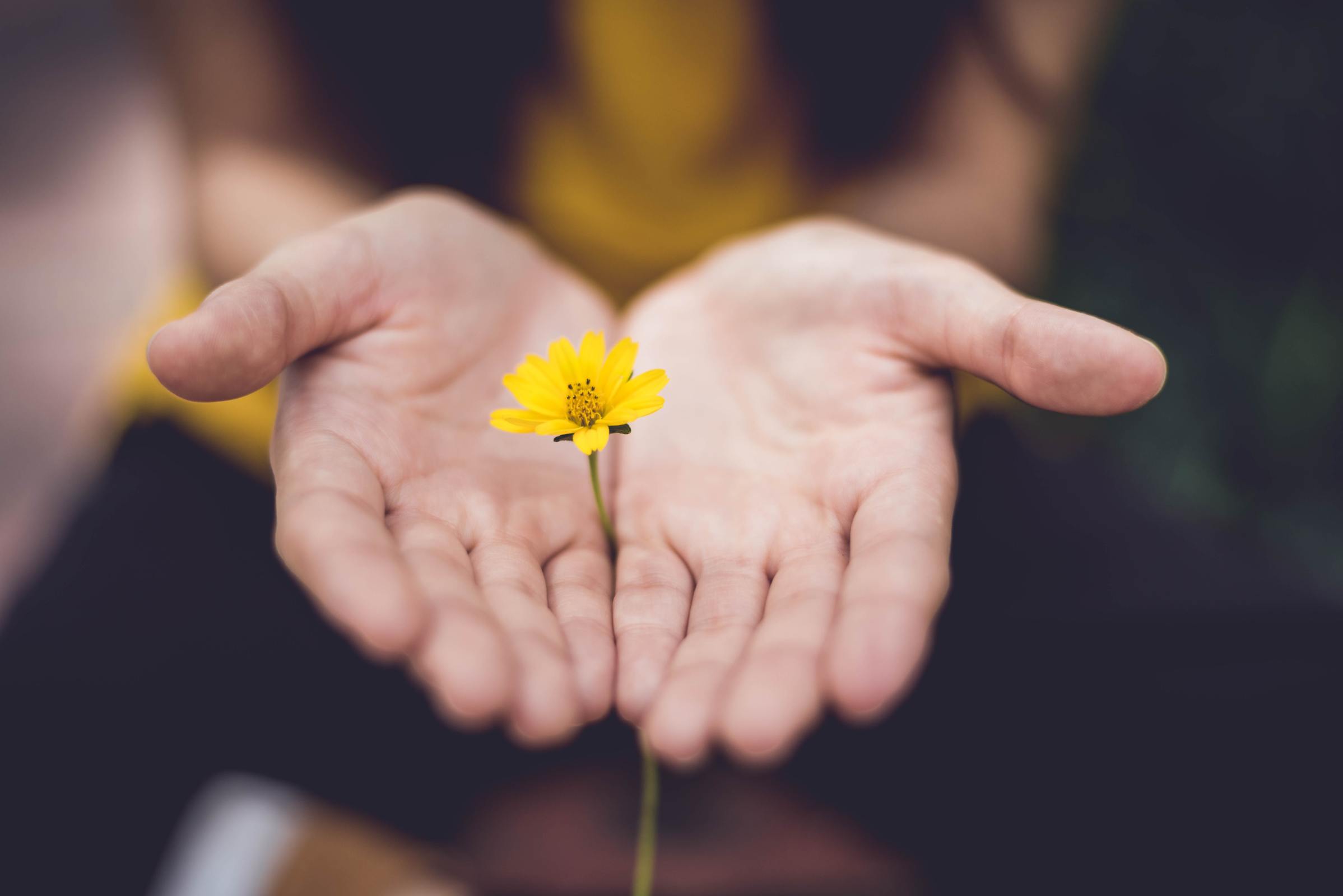
When people talk about changing the world, they often picture something big. They imagine famous leaders, groundbreaking inventions, major movements, or historic moments that reshape society. Those things certainly matter, but I’ve come to believe that some of the most meaningful changes happen in much quieter ways. They happen in conversations, in everyday choices, and in the countless interactions we have with other people.
They happen through kindness.
As a music mom, I spend a lot of time thinking about the kind of world I want my kids to inherit. I want them to live in a world filled with hope and compassion, but more important, I want them to understand that they have the ability to help create that world themselves. We often underestimate the influence we have on the people around us, yet our words, attitudes, and actions shape experiences every single day.
Kindness Creates a Ripple Effect
One of the most beautiful things about kindness is that we rarely see its full impact. A thoughtful text, a sincere compliment, a moment of patience, or a simple smile may seem insignificant at the time, but those actions often travel much farther than we realize. When someone feels seen, valued, or encouraged, they are more likely to extend that same kindness to another person.
That is how kindness spreads. One positive interaction influences another, which influences another, creating ripples that continue long after the original moment has passed. We may never know how many lives we touch through a single act of compassion, but that doesn’t make the impact any less real.
The World Has Enough Critics
Every day, people encounter criticism, negativity, and judgment. Social media amplifies many of those voices, and headlines often focus on conflict because conflict attracts attention. It can sometimes feel as though harshness has become the default setting in modern life.
That is exactly why kindness stands out.
Kindness requires intention. It asks us to slow down long enough to recognize that every person we meet is carrying a story we may know nothing about. The cashier helping us at the store, the parent sitting next to us at a school event, the person responding to an email, or the stranger we pass on the sidewalk may all be facing challenges we cannot see. A kind word offered at the right moment can become a lifeline, even when we never realize it.
Kindness Is Not Weakness
Some people mistake kindness for softness, but I see it differently. Kindness requires strength because it often asks us to rise above our immediate reactions. It takes courage to remain compassionate when someone is rude (lots of courage, sometimes). It takes maturity to respond with grace when criticism would be easier. It takes confidence to encourage others without needing recognition in return.
The strongest people I know are also some of the kindest. They understand that treating people with dignity is not a sign of weakness. It is a reflection of character. They choose empathy when cynicism would be easier, and they choose understanding when judgment would be more convenient.
Teaching the Next Generation
As parents, we have countless opportunities to model kindness. Our children watch how we speak to strangers. They see how we respond to frustration. Most important, they observe how we treat people who can do nothing for us in return. Those everyday moments become lessons that shape their understanding of the world.
I want my children to know that success means very little if it comes at the expense of compassion. I want them to understand that kindness is not something we practice only when life is easy. It is something we choose repeatedly, especially when circumstances tempt us to do otherwise.
Small Actions, Big Impact
Most of us will never influence millions of people, but every one of us influences someone. We impact our families, our friends, our coworkers, our neighbors, and our communities through the choices we make every day. That means every one of us can do something that makes the world better.
Not through grand gestures. Not through perfection. Through consistency.
A little more patience. A little more empathy. A little more encouragement. When enough people make those choices repeatedly, the results become extraordinary. Communities grow stronger. Relationships deepen. Hope spreads.
The world changes one interaction at a time.
That may not sound revolutionary at first, but I believe it is. Kindness has a way of multiplying. It spreads quietly, often unnoticed in the beginning, until one day you realize it has transformed far more than a single moment. It has transformed people.
And transformed people are how the world changes