

Some mornings, the best I can do is get everyone out the door with matching shoes. Whether I’m wearing makeup is a separate question, and the answer is usually no.
For a long time, I thought that wasn’t good enough. I figured a “real” mom would have packed lunches with little notes inside, a spotless kitchen and hair that didn’t look like it lost a fight with the pillow. Somewhere along the way, I started to realize that the version of me who shows up tired, a little messy and still trying is the one my kids actually need.
That idea is at the heart of my new song, “The Best I Can Do,” and I am so excited it’s finally out in the world.
Why This Song Matters to Me
I wrote “The Best I Can Do” about being yourself, even when that self is wearing an old sweatshirt and singing off-key in the car. It’s about not reshaping who you are just to make other people comfortable.
I care about this message for women in particular. So many of us grow up learning to shrink a little, smooth out our rough edges and apologize for taking up space. Then we become moms, and suddenly there’s a whole new list of ways we’re supposedly falling short.
But honestly, this isn’t just a women’s issue. I think everyone, at some point, wonders if they’re enough. Men, teenagers, grandparents, the guy who bags your groceries. We all carry some version of that question around.
My answer, at least in this song, is yes. If you’re doing your best, you’re enough.
What Our Kids Are Watching
Here’s the part that gets me as a parent: Our children learn how to treat themselves by watching how we treat ourselves.
If my kids hear me picking apart my appearance in the mirror, they notice. If they see me turn down something fun because I’m worried about how I’ll look or sound, they notice that, too. Kids are tiny detectives, and they’re especially good at picking up the things we’d rather they missed.
So I’m trying to model something different. When I mess up a lyric on stage, I laugh and keep going. When I burn dinner (which happens more often than I’d like to admit), I order pizza without a meltdown. Well, usually without a meltdown.
I want my kids to see that you can be imperfect and still be proud of yourself.
Building Self-Esteem at Home
Self-esteem doesn’t come from being told you’re amazing every five minutes. It grows when kids feel accepted for who they really are, quirks and all.
A few things that help in our house:
- Praising effort and kindness, not just results
- Letting kids make choices about how they express themselves, even when it’s a questionable outfit
- Talking about our own struggles in ways that are honest but hopeful
- Saying “I’m proud of you” for small things, like trying something new or being brave enough to ask a question
None of this is complicated. It just takes paying attention.
Being Enough, Right Now
I hope “The Best I Can Do” reminds anyone who hears it, especially the moms running on coffee and three hours of sleep, that you don’t have to earn your worth. You don’t have to be polished or perfect. Showing up as yourself and giving what you’ve got today counts for a lot.
And on the days when your best looks a little rough around the edges? That still counts.
Give the song a listen, sing along as on or off-key as you want, and maybe share it with someone who needs to hear it. I know I needed to.
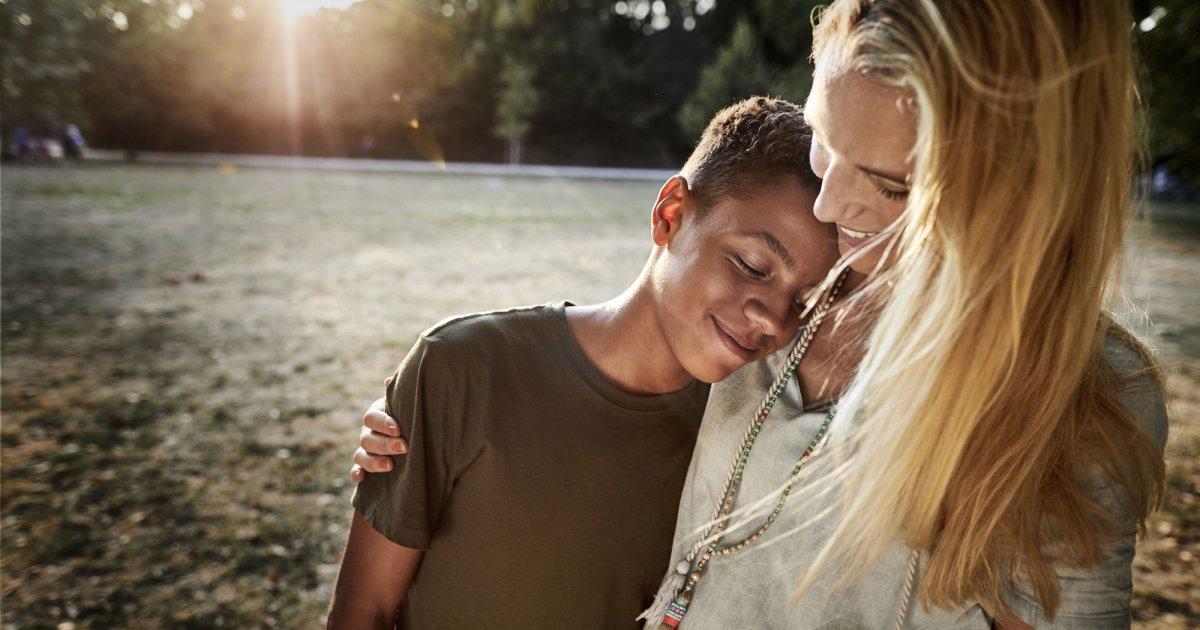
Nobody likes watching their kid fail. A bad test grade, a missed penalty kick, an audition that goes to someone else: our first instinct is to swoop in. We want to encourage them, fix whatever went wrong, and maybe have a quiet word with whoever decided our wonderful child wasn’t quite wonderful enough.
I’ve felt that pull plenty of times. But being a mom and a musician has taught me that failure teaches kids things success can’t. If they pick that up while they’re young, they’ll have it for the rest of their lives. The hard part is knowing when to step in and when to step back.
Let Them Be Disappointed
When something goes wrong, most of us reach for “Don’t worry about it!” or “You’ll get it next time!” We mean well. But sometimes kids just need a little room to feel bad.
If they worked hard and it didn’t pay off, that stings. They’re allowed to be upset, or mad, or embarrassed about it. We don’t have to hurry those feelings along. We can just listen. I’ve found that “I know how much that meant to you” does more good than any pep talk, and as moms, we can give some very long pep talks.
Let Them See You Mess Up, Too
Kids tend to assume adults have it all figured out. That’s funny to me, since I regularly walk into a room and forget why I’m there.
It really does help them to know grown-ups make mistakes. I’ve had performances that just felt off. I’ve had ideas that seemed brilliant at midnight and sounded a lot less brilliant over coffee the next morning. When I tell my kids about those moments, they see that setbacks happen to everyone, and that a bad day doesn’t decide who you are.
Ask, “What Did You Learn?”
This is one of the most useful habits you can build with a child. If they don’t make the team, maybe there’s a skill to work on. If a school project flops, maybe a different approach would work better next time.
And sometimes the honest answer is that life doesn’t always reward effort the way we’d like. That’s worth learning, too. I’m not trying to turn every letdown into a motivational poster. I just want my kids to know they can take something useful from it and keep going.
Cheer for the Attempt
We’re good at celebrating wins: report cards, trophies, awards. But what about the kid who tries out for the school play while terrified, or the teenager who signs up for a hard class knowing it’ll be a struggle? That deserves some applause.
I want my kids to be proud of taking the chance, however it turns out. Nobody learns an instrument without hitting wrong notes, and usually a lot of them. (Any musician reading this is nodding right now.) Getting better means practicing, being patient, and being willing to sound pretty awful for a while.
Leave Room for Surprises
What if our kids didn’t have to be quite so scared of failing? A failed attempt can turn up a talent they didn’t know they had. A rejection can push them toward something that fits them better. Some of the best things in my own life started as plans that fell apart.
That doesn’t mean they’ll enjoy every disappointment. Nobody does. But they can get confident enough to take a risk, pick themselves up and try again, and that gets easier with practice.
Remind Them They’re More Than What They Achieve
More than anything, I want my children to know their worth has nothing to do with a grade, a trophy, or anyone else’s approval. They deserve love on their best days and their worst ones. When something goes wrong, I hope they remember that one bad moment doesn’t write the rest of their story.
We can’t stop every failure from happening, and we shouldn’t try. What we can do is help our kids find the nerve to face it. Who knows? Years from now, they might look back on one of those disappointments and see it as the thing that pointed them in the right direction.

Somewhere out there, there’s a song with my name on it.
I haven’t heard the melody. I don’t know the lyrics. And I couldn’t tell you whether it’ll be a happy little number that makes people want to dance or something that leaves me reaching for a tissue halfway through the second verse.
But I like knowing it’s out there, waiting for me.
After years of writing and performing music, you’d think I’d have a pretty good idea of where my next song will come from. Unfortunately, creativity has never been particularly interested in following my schedule.
I’ve had ideas show up while driving, cooking dinner, or trying to fall asleep. Naturally, they almost never arrive when I’m sitting at my desk with a notebook open and a perfectly good pen in my hand.
Apparently, inspiration has other plans.
Life Keeps Giving Me Material
One of the wonderful things about songwriting is that life never runs out of stories.
Every conversation, relationship, disappointment, and unexpected adventure gives us something new to think about. Sometimes those experiences turn into songs right away. Other times, they sit quietly in the back of our minds for years before we understand what they meant.
I’ve written about love, family, happiness, and the complicated emotions that come with being human. But there are still so many things I haven’t experienced, people I haven’t met, and lessons I haven’t learned.
That’s exciting to me.
It means my creative life still has plenty of surprises ahead. And considering how often regular life surprises me, I suspect I’ll have no shortage of material.
The Woman Writing the Songs Keeps Changing
Here’s something I didn’t fully appreciate when I was younger: The person writing the song matters just as much as the story.
A song I might have written at 25 would probably sound very different if I wrote it today. Back then, I had certain ideas about love, success, happiness, and what adulthood was supposed to look like.
Some of those ideas were pretty good.
Others? Well, let’s just say experience has been an enthusiastic editor.
Motherhood has changed how I understand love. Performing has taught me about confidence and vulnerability. Getting older has helped me appreciate moments I once might have overlooked.
All those experiences influence what I write.
And I love the thought that five or ten years from now, I’ll have an entirely new perspective to bring to my music.
Not Every Song Needs to Be a Masterpiece
Songwriters can put an awful lot of pressure on themselves.
We want the perfect melody, the unforgettable chorus, and lyrics that make people stop whatever they’re doing and listen.
Preferably before lunch.
But I’ve learned that creativity works better when I give myself permission to experiment. Some songs come together beautifully. Others need a little patience, a few revisions, and perhaps a long vacation in the bottom of a drawer.
That’s part of the process.
Sometimes a song teaches me something even if nobody else ever hears it. Sometimes the idea that doesn’t work today becomes the beginning of something wonderful months later.
I try to remember that every song deserves a chance, even the slightly awkward ones.
There’s Still So Much Music Ahead
I think we sometimes make the mistake of believing our most creative years must happen when we’re young.
But why should that be true?
Life keeps changing. We keep growing. New experiences bring new emotions, and those emotions give us fresh things to say.
I don’t know what my next favorite song will be about. Maybe it’ll come from a conversation with one of my kids, a funny moment on the road, or an ordinary Tuesday that takes an unexpected turn.
Maybe it’ll surprise me completely.
That’s what makes songwriting such a wonderful adventure. There’s always another story waiting to be told, another melody waiting to be discovered, and another part of ourselves waiting to find its voice.
And somewhere in all of that, I hope there’s a song that makes someone smile, feel understood, or remember a moment they thought they’d forgotten.
As for when I’ll write it?
Your guess is as good as mine. But I’ll keep a notebook handy. Just in case.

Some days, hope comes easily.
The sun is shining, the kids are happy, and life seems to be moving in the right direction. You wake up feeling optimistic about what lies ahead, and even the little problems don’t seem quite so overwhelming.
Other days, finding hope takes a little more effort.
We’ve all experienced moments when life feels heavier than usual. Maybe we’re dealing with a disappointment, worrying about someone we love, or facing a situation we never expected. During those times, I’ve learned that hope can be one of the most comforting things we hold onto.
It doesn’t make every problem disappear, but it can help us find the strength to keep going.
Hope Gives Us Something to Hold Onto
As a mom, I’ve discovered that worrying comes pretty naturally. We worry about our children’s happiness, their health, their friendships, and the decisions they’ll make as they grow older.
And sometimes, we worry about things we can’t control.
I’ve learned that hope helps me look beyond whatever is troubling me today. It reminds me that circumstances can change, difficult seasons eventually pass, and tomorrow may bring opportunities I can’t see right now.
That doesn’t mean ignoring problems or pretending everything is wonderful. It simply means believing that better days are possible, even when we don’t know exactly how they’ll arrive.
Music Has a Way of Restoring Hope
One of the things I love most about music is its ability to reach us when ordinary words fall short.
Think about a song that helped you through a difficult time. Maybe it reminded you of someone you love, brought back a happy memory, or gave you the encouragement you needed to face another day.
I’ve experienced that feeling both as a listener and a performer.
Sometimes, singing a familiar song can change my entire mood. Other times, writing lyrics helps me work through emotions I haven’t quite figured out how to express.
Music gives those feelings somewhere to go. And occasionally, a hopeful melody is exactly what my heart needs.
Small Moments Can Make a Big Difference
We sometimes imagine hope arriving through some dramatic, life-changing event. But I’ve found that it often appears in much smaller ways.
A thoughtful message from a friend. An unexpected laugh with one of my kids. A beautiful sunset after a difficult day. Someone remembering to ask how we’re doing.
Those little moments remind us that goodness still exists, even when life feels complicated.
I’ve also learned that we can create those moments for other people. A kind word, a phone call, or a little encouragement might mean more to someone than we realize.
Sometimes we become the reason another person feels hopeful again.
Healing Doesn’t Follow a Schedule
One thing life has taught me is that emotional healing rarely happens as quickly as we’d like.
We may feel stronger one day and discouraged the next. A memory can bring back sadness we thought we’d moved beyond. Progress can feel frustratingly slow.
And that’s OK.
Hope doesn’t require us to feel happy every minute. It gives us permission to acknowledge our struggles while remaining open to the possibility of healing.
I’ve come to believe that patience is an important part of that process. We can give ourselves time, accept support, and recognize the small improvements along the way.
Keep a Little Hope in Your Heart
As I’ve gotten older, I’ve realized that life will always bring unexpected challenges. We can’t protect ourselves or our children from every disappointment, and we certainly can’t control everything that happens around us.
But we can choose to keep looking for reasons to believe tomorrow might be better.
For me, those reasons often come through family, friendship, and music. They remind me that difficult moments are only part of our story.
And just like a beautiful song, life can surprise us with a wonderful new verse when we least expect it.
So if you’re going through a difficult season, be gentle with yourself. Take things one day at a time, lean on the people who love you, and leave a little room for hope.
Sometimes that small spark is enough to help us find our way toward the light again.

Halloween has always been one of those holidays that brings out the kid in me. The costumes, the decorations, the candy (especially the candy), and, of course, the music.
As a mom and a musician, I love a good Halloween playlist. But there’s a difference between spooky fun and music that has everyone sleeping with the lights on. I prefer songs that make the whole family want to dance, sing along, and maybe practice their best monster impressions.
So grab your favorite candy, turn up the speakers, and enjoy some of my favorite Halloween tunes.
👻 10 Spooky Songs the Whole Family Can Enjoy
1. Monster Mash – Bobby “Boris” Pickett
You can’t have Halloween without this one. It’s silly, catchy, and practically requires everyone to do their best Frankenstein dance.
2. Ghostbusters – Ray Parker Jr.
Who you gonna call? This song still gets everybody shouting the answer, even after all these years.
3. This Is Halloween – The Nightmare Before Christmas
A wonderfully theatrical Halloween classic. It’s spooky enough to set the mood without getting too scary.
4. I Put a Spell on You – Bette Midler
A little witchy attitude from Hocus Pocus. I can’t resist a performance with this much personality.
5. Purple People Eater – Sheb Wooley
A one-eyed, one-horned flying creature who wants to join a rock ‘n’ roll band? Now that’s my kind of monster.
6. Somebody’s Watching Me – Rockwell
A little mysterious, a little funky, and perfect for older kids who enjoy a playful scare.
7. Spooky, Scary Skeletons – Andrew Gold
Skeletons have never sounded so cheerful. This one practically begs for a family dance party.
8. The Addams Family Theme – Vic Mizzy
Snap, snap. Need I say more?
That unforgettable beat makes this a Halloween essential. Younger listeners can enjoy the audio without the scarier music video.
10. Werewolves of London – Warren Zevon
A little rock ‘n’ roll, a little howling, and a whole lot of fun.
🍬 Make Some Halloween Memories
The best part of a Halloween playlist isn’t finding the scariest song. It’s watching your kids dance around the living room, laughing at ridiculous lyrics, and creating memories you’ll still smile about years later.
And if someone catches me doing the Monster Mash in the kitchen while sneaking another piece of candy?
Well, that’s just the Halloween spirit.
Happy Halloween, everyone! 🎃

There’s something wonderful that happens as we get older. Somewhere along the way, we begin caring a little less about what everybody thinks.
I wish I could tell you exactly when it happened for me. Maybe it was somewhere between raising kids, performing onstage, and realizing that life is simply too short to spend it worrying about other people’s opinions. Whatever the reason, I’ve discovered that one of the greatest gifts of getting older is the freedom to be yourself. And let me tell you, it’s a pretty wonderful feeling.
Remember When Everyone’s Opinion Mattered?
When I was younger, I spent far too much time wondering what other people thought. Did I say the right thing? Was I wearing the right outfit? Did I make a good impression? Would people like the song I’d just written?
As a singer, putting yourself in front of an audience naturally comes with a certain amount of vulnerability. You want people to enjoy your music. You hope they’ll connect with your performance. But I’ve learned that trying to please everyone is an exhausting way to live. Someone will always have a different opinion, and that’s perfectly fine.
Confidence Comes With Experience
One thing I appreciate about getting older is that I’ve collected enough life experiences to know what matters. I’ve made mistakes. I’ve had wonderful successes and disappointing setbacks. I’ve raised children, navigated difficult moments, and learned a few lessons the hard way. And somehow, I’ve survived all of it.
Those experiences have given me a confidence I didn’t always have when I was younger. I no longer feel the need to explain every decision or apologize for having different interests. Sometimes knowing who you are is enough.
Wear the Outfit, Sing the Song
I’ve reached a point where I believe we should enjoy the things that make us happy. Want to wear that colorful outfit? Wear it. Love a song that nobody else seems to appreciate? Turn it up. Feel like dancing in the kitchen while making dinner? Go right ahead.
As a performer, I’ve learned that audiences connect with authenticity. People can usually tell when you’re genuinely enjoying yourself. The same applies to everyday life. There’s something refreshing about people who are comfortable being exactly who they are.
Our Kids Are Watching
Motherhood has given me another reason to stop worrying about impressing everyone. Our children learn a great deal from watching how we live.
When they see us constantly seeking approval, they may begin believing that their own happiness depends on what other people think. I’d rather show my kids that confidence comes from knowing your values, following your interests, and treating people with kindness. We can listen to advice and respect different opinions without allowing them to control our decisions. That’s a lesson worth passing along.
The Best Part of Growing Older
I still care about making a good impression. I still want to grow as a person, improve as a musician, and be someone my family can count on. But I’ve stopped believing that everybody needs to approve of every choice I make. And that has made life a whole lot more enjoyable.
Getting older brings plenty of changes, some more welcome than others. But becoming comfortable in your own skin is one benefit I wouldn’t trade.
So here’s to wearing what we love, singing the songs that move us, laughing a little louder, and worrying a little less. We’ve spent enough years trying to impress the world. Maybe it’s time to simply enjoy being ourselves.

Songwriting has always been one of my favorite ways to make sense of life.
Sometimes a melody pops into my head while I’m driving. Other times, a conversation, a memory, or a simple phrase gives me the beginning of a song. And occasionally, I sit down with every intention of writing something wonderful and come up with absolutely nothing.
I suspect every songwriter knows that feeling.
After years of writing and performing country and pop music, I’ve discovered that sometimes creativity needs a little guidance. Fortunately, there are simple ways to encourage inspiration without making songwriting feel like homework.
Here are seven tips that have helped me along the way.
1. Start With a Story Worth Telling
Some of the best songs begin with ordinary experiences. A first date, an old friendship, a family memory, or a difficult goodbye can become the foundation for something meaningful.
Before worrying about rhymes or melodies, ask yourself what story you want to tell. The more clearly you understand the story, the easier it becomes to find the words.
2. Keep a Running List of Song Titles
I’ve learned that interesting song titles rarely arrive when I’m sitting down specifically to write. They appear during conversations, while watching television, or somewhere between grocery shopping and picking up the kids.
Keep a notebook or a list on your phone for phrases that catch your attention. You never know when three ordinary words might become an extraordinary chorus.
3. Write the Chorus First
A strong chorus gives listeners something to remember. If you have a great hook or central idea, try building the chorus before writing the verses.
Think about the main emotion you want listeners to feel. Then find a simple, memorable way to express it. Once you know the heart of your song, the verses can help tell the story that leads there.
4. Find Inspiration in Everyday Conversations
People have a wonderful way of saying things that sound like song lyrics without realizing it. Listen to the expressions your friends use. Pay attention to stories your parents tell. Notice the funny, heartfelt things your children say.
Some of my favorite songwriting ideas come from moments that initially seem completely ordinary. Real conversations can give songs a natural, relatable voice.
5. Try a Different Chord Progression
We all have musical habits. As songwriters, it’s easy to reach for familiar chords because we know they work. But sometimes changing just one chord can lead a melody somewhere unexpected.
Experiment with different progressions, tempos, or rhythms. You don’t have to reinvent music. A small change might be enough to inspire an entirely new song.
6. Don’t Edit Every Line Immediately
This one can be difficult, especially when you want every lyric to sound perfect. But constantly stopping to rewrite a line can interrupt your creative momentum.
Try finishing an entire verse or chorus before making changes. And give yourself permission to write imperfectly. You can always return later and polish the words.
Sometimes the best lyrics appear after you’ve stopped judging every sentence.
7. Know When to Walk Away
We’ve all experienced those songwriting sessions when nothing seems to work. The melody feels awkward. The lyrics sound forced. Even your guitar seems tired of hearing the same four chords.
When that happens, take a break. Go for a walk, listen to music, spend time with family, or do something completely unrelated to songwriting. A little distance can help you hear your work with fresh ears.
Keep Writing, Keep Listening
One thing I’ve learned is that songwriting gets better with practice, patience, and a willingness to try new things.
Not every idea will become a finished song. Some will need time to develop, while others may lead you toward something entirely different. And that’s part of the fun.
Whether you’re writing your first song or your hundredth, keep paying attention to the world around you. Life offers more inspiration than we sometimes realize.
After all, somewhere in today’s conversations, memories, and ordinary moments, there’s probably a song waiting to be written.
You just have to listen for it.
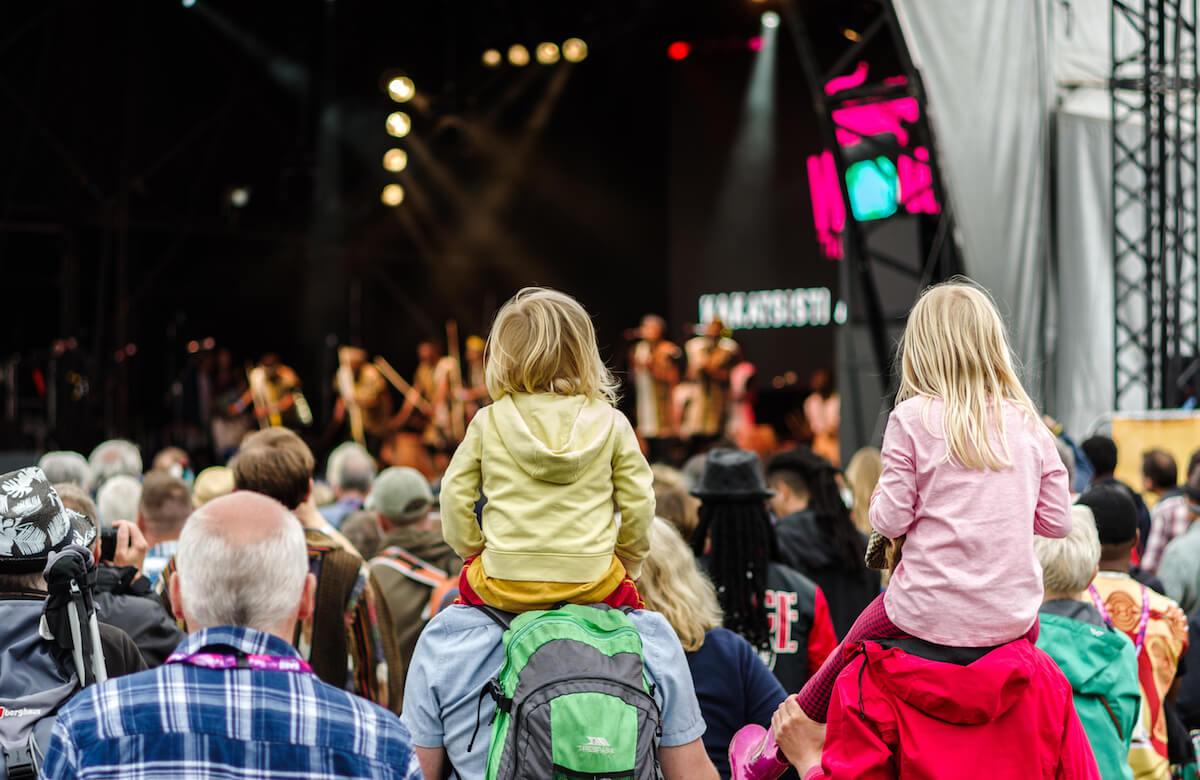
I’ve spent a good part of my life around music, stages, rehearsals, and concert tours. I’ve learned that even the best-planned shows come with surprises. Equipment breaks. Schedules change. Someone forgets something important. And occasionally, everything goes wonderfully right.
The funny thing is, I could say exactly the same thing about raising kids.
The more I think about it, the more I realize that parenthood is one long concert tour. There are late nights, unexpected detours, unforgettable performances, and plenty of moments when you’re just hoping everyone makes it to the next stop in one piece.
And somehow, despite the exhaustion and occasional chaos, you wouldn’t trade the experience for anything.
Every Tour Needs a Road Manager
Anyone who’s traveled with a band knows that somebody has to keep things organized. There are schedules to follow, places to be, meals to arrange, and a hundred little details that most people never see.
Sound familiar, moms?
For years, I’ve felt like the road manager of a very demanding family tour. Between school schedules, doctor’s appointments, birthday parties, grocery shopping, and everything else, keeping everyone moving in the right direction takes some serious coordination.
Of course, the band members don’t always appreciate the planning. They just want to know what’s for dinner and whether their favorite shirt is clean.
Some things never change.
Not Every Performance Goes as Planned
I’ve learned that live music requires flexibility. You can rehearse a song a hundred times, but something unexpected can still happen when you step onstage.
Parenthood works much the same way.
You can plan the perfect family vacation, only to have someone get sick. You can prepare a wonderful dinner that nobody wants to eat. You can offer what you believe is excellent advice, only to discover your teenager has absolutely no interest in hearing it.
Those moments used to frustrate me more than they do now.
Music has taught me that a missed note doesn’t have to ruin an entire performance. Sometimes you laugh, adjust, and keep playing. Parenting requires that same willingness to improvise.
The best memories often come from the moments nobody planned.
Everybody Gets a Turn in the Spotlight
In a band, every musician brings something different to the stage. The drummer keeps the beat. The guitarist adds personality. The background singers create beautiful harmonies. Everyone contributes something important.
Families have their own collection of personalities, too.
One child may love attention, while another prefers to stay quietly in the background. One might have a natural talent for music, while another finds joy in sports, art, or something entirely unexpected.
As parents, we get the wonderful opportunity to watch those personalities develop.
I’ve learned that each child deserves a chance to shine in their own way. Sometimes that means cheering loudly from the audience. Other times, it means stepping aside and giving them room to discover what they’re capable of doing.
And believe me, watching your child find their own spotlight can be more exciting than standing in one yourself.
The Crew Deserves Some Appreciation
A successful concert tour depends on countless people who rarely receive applause. There are sound engineers, drivers, stagehands, and others who work hard to make everything happen.
Parenthood has a support crew, too.
Grandparents, teachers, friends, neighbors, and family members often help us through the busiest seasons. They’re the people who offer encouragement, pick someone up when schedules collide, or simply listen when we’ve had a difficult day.
I’ve come to appreciate those people more with every passing year.
No parent can do everything alone, and there’s something beautiful about having people who genuinely care about your children.
Sometimes the most important members of our tour never step into the spotlight.
Enjoy the Show While It Lasts
Here’s something every performer understands: No matter how wonderful a concert is, eventually the final song arrives.
The lights come up. The audience heads home. The stage becomes quiet.
Parenthood has its own version of that moment.
One day, the children who needed help tying their shoes are driving themselves to school. The little voices calling for you from another room become older voices making plans for college, careers, and lives of their own.
It’s a wonderful thing to watch. It’s also enough to make a mom a little emotional.
That’s why I’m trying to appreciate the everyday performances while they’re happening. The laughter around the dinner table. The conversations in the car. The spontaneous kitchen dance parties. Even the occasional off-key family singalong.
Because someday, I’ll look back and realize those ordinary moments were the greatest hits of my life.
And when this particular tour reaches its final stop, I hope my children remember more than the schedules, the rules, and the occasional missed notes.
I hope they remember the laughter, the love, and the music we made together.
After all, every great tour leaves you with stories worth telling. And this one has given me a lifetime of them.

I’ve made plenty of mistakes in my life. Some happened onstage, some happened in the recording studio, and others happened in my kitchen, where the audience was much smaller but occasionally a lot harder to please.
As a mom and a musician, I’ve had more opportunities to fail than I could possibly count. I’ve sung the wrong note, struggled with a stubborn lyric, questioned a creative decision, and experienced the disappointment of working hard toward something that didn’t turn out the way I’d hoped.
And motherhood? Well, let’s just say that raising children provides a lifetime supply of opportunities to discover that you don’t have all the answers.
But here’s something I’ve learned along the way: Failure has been one of my greatest teachers. Some of the best things in my life have come from experiences that initially felt like disappointments.
Sometimes You Miss a Note
When you’re performing live, anything can happen. You might forget a lyric, miss a cue, or discover that the sound system has decided to develop a personality of its own.
Those moments can feel enormous when you’re standing under bright lights with an audience watching. But most of the time, the show goes on. You recover, trust your band, and find your way back into the song.
I’ve learned that audiences appreciate authenticity. They understand that performers are human, and sometimes an unexpected moment becomes one of the most memorable parts of a concert.
Life works much the same way. We can spend so much energy worrying about making mistakes that we forget to enjoy what we’re doing.
Motherhood Comes With Plenty of Wrong Turns
I’ve made parenting decisions I would handle differently today. I’ve worried too much about things that turned out fine and probably worried too little about others. I’ve had days when my patience ran out before my responsibilities did.
I think every mom knows that feeling.
We want to get everything right because we love our children so much. But our kids don’t need a mother who never makes mistakes. They need someone who shows them how to respond when things go wrong.
Sometimes that means apologizing. Sometimes it means changing our approach. Other times, it means admitting that we have absolutely no idea what we’re doing and figuring it out together.
There’s a wonderful kind of freedom in accepting that parenting is a lifelong learning experience.
Failure Can Lead Somewhere Unexpected
Some of my most valuable lessons in music have come from ideas that didn’t work.
A song might need another rewrite. A performance might reveal something I need to improve. An opportunity might disappear after I’ve spent weeks imagining where it could lead.
Disappointment is never fun, especially when you’ve invested your heart in something.
But those experiences can sharpen our instincts, strengthen our determination, and sometimes point us toward opportunities we wouldn’t have considered otherwise.
I’ve learned to ask myself a different question when something goes wrong: What can I take from this experience?
The answer isn’t always obvious right away. Sometimes you need a little distance, a little patience, and perhaps a good laugh before you recognize the lesson.
The Rewards of Showing Up Again
One of the greatest rewards of perseverance is discovering what you’re capable of overcoming.
Every time we try again after a setback, we build confidence. Every difficult experience teaches us something about our strengths, our priorities, and the people who support us.
There’s also something deeply satisfying about finally accomplishing something that once seemed impossible. That moment carries extra meaning because we remember the struggle that came before it.
I want my children to understand that lesson. I want them to pursue their dreams without believing every effort must end in victory. I want them to recognize that courage sometimes looks like trying again after everyone else has gone home.
Learning to Love the Imperfect Journey
I’ve spent years making music, raising a family, and discovering that life rarely follows the arrangement we originally imagined.
There have been wrong notes, missed opportunities, frustrating days, and plenty of moments I wish I could do over. But there have also been beautiful surprises, unexpected victories, and lessons I wouldn’t trade for anything.
Failure has taught me patience. It’s helped me develop humility, appreciate progress, and become more compassionate toward others who are struggling.
Most importantly, it’s reminded me that one disappointing moment never gets to define an entire life.
So if you’ve made a mistake today, welcome to the club. You’re in excellent company. Give yourself some grace. Learn what you can. Laugh when possible. Then gather your courage and try again.
After all, even the most beautiful songs sometimes need a few rewrites before they’re ready to be heard.
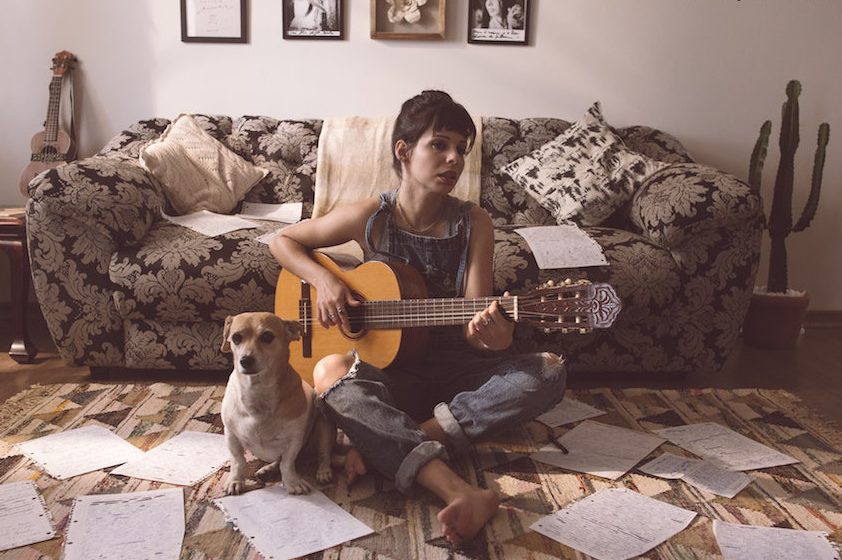
Writer’s block has incredible timing.
It rarely arrives when I’m folding laundry, sitting in traffic, or trying to fall asleep. Those are the moments when ideas seem to appear everywhere. Give me a quiet room, a cup of coffee, and two uninterrupted hours specifically set aside to write, though, and suddenly my brain has absolutely nothing to say.
Not one lyric.
Not one clever idea.
Apparently, creativity enjoys being difficult.
After years of writing songs, I wish I could tell you I’ve discovered the secret formula for eliminating writer’s block forever. I haven’t. What I have learned is that staring angrily at a blank page rarely scares it into cooperating.
A few other tricks work much better.
Write Something Terrible
This may be my favorite piece of writing advice because the expectations are wonderfully low.
When I’m stuck, I give myself permission to write something bad. A terrible lyric. A ridiculous rhyme. A verse I know will never survive until tomorrow.
The funny thing is that once words start appearing, better ones usually follow.
Perfectionism loves a blank page because nothing on it can be criticized. Creativity needs something messier. Sometimes you have to write the line that makes you cringe before finding the one that makes you smile.
Leave the Room
There comes a point when continuing to stare at the same four words becomes less like songwriting and more like a hostage situation.
That’s usually my cue to get up.
I’ll take a walk, make dinner, drive somewhere, or do something completely unrelated to music. Somehow, giving my brain another job allows it to keep working quietly in the background.
Then, naturally, the perfect line arrives when my hands are covered in dish soap and there’s no notebook anywhere nearby.
Creativity has a sense of humor.
Change What You’re Listening To
Music inspires music, but sometimes we get stuck listening to the same sounds, artists, and styles.
When my imagination feels tired, I’ll listen to something different. Maybe it’s an artist I haven’t heard in years. Maybe it’s a genre I wouldn’t normally choose. I might even turn the music off completely and listen to conversations, birds, traffic, or whatever else is happening around me.
Inspiration doesn’t always announce itself as inspiration.
A phrase someone says at the grocery store can become a lyric. A memory can suddenly become a story. One unusual word can open an entire door.
The trick is staying curious enough to notice.
Stop Waiting to Feel Inspired
This one took me years to learn.
I used to imagine inspiration as something that arrived dramatically, almost like lightning. Sometimes it does. Those moments are wonderful.
Most of the time, though, creativity shows up after I’ve already started working.
That’s why I try to sit down and write even when I don’t feel particularly inspired. I may produce nothing useful that day, but I’ve kept the door open.
Eventually, something walks through it.
Remember Why You Started
When writing becomes frustrating, I try to return to the reason I loved it before anybody heard the results.
Writing gives me somewhere to put thoughts, emotions, stories, questions, and experiences that otherwise might stay bottled up. Songwriting lets me take something personal and turn it into something another person might recognize in their own life.
That’s still pretty amazing.
And maybe that’s what I need to remember most. Writer’s block doesn’t mean I’ve run out of things to say. Sometimes the words are simply taking the scenic route.
So when writer’s block visits, I try not to panic anymore. I write badly. I walk away. I listen differently. I make coffee. I come back.
And if none of that works, I fold laundry.
For some reason, that’s usually when the chorus shows up.

Motherhood can be incredibly full.
For years, your days revolve around other people. There are schedules to remember, places to be, problems to solve, conversations to have, and countless little things that somehow become your responsibility. Even as your children grow and life changes, being a mom remains part of the rhythm of every day.
That’s why it can feel strange to admit something that doesn’t seem to fit into that picture.
Sometimes motherhood can be lonely.
When Everyone Needs You a Little Differently
There are seasons when being needed feels almost constant. Then, gradually, the way your children need you begins to change.
That’s a good thing. We raise our kids hoping they’ll become confident enough to make decisions, build lives, solve problems, and discover who they are. Watching that independence develop can make a mom incredibly proud.
It can also leave some unexpected quiet behind.
The conversations change. Everyone has somewhere to go. Family schedules become more complicated, and you may suddenly realize that the people who once depended on you for nearly everything don’t need you in quite the same way.
Nobody necessarily prepares us for the emotions that come with that transition.
A Full Life Can Still Feel Lonely
Loneliness doesn’t always mean being alone. That’s something I’ve come to understand more as I’ve gotten older.
You can have a loving family, wonderful friends, a career you enjoy, and a calendar filled with commitments and still experience moments when you feel disconnected. Moms are often so accustomed to checking on everyone else that we forget to ask ourselves a simple question: How am I doing?
I think we should ask it more often.
There shouldn’t be guilt attached to wanting connection of our own. Motherhood is an enormous part of who we are, but it doesn’t erase all the other parts.
Music Has Always Given Me Somewhere to Go
I’m fortunate that music has always provided another kind of connection in my life.
When I walk into a rehearsal, step onto a stage, write a song, or simply listen to an artist I love, I reconnect with a part of myself that exists beyond the daily responsibilities of being a mom. Music reminds me that I’m still curious, creative, ambitious, and capable of being surprised.
That’s one reason I believe every mom needs something that belongs to her.
It doesn’t have to be a career or a grand passion. Maybe it’s painting, hiking, volunteering, gardening, reading, exercising, traveling, or meeting a friend for coffee. The activity matters less than the connection it creates, both with other people and with yourself.
Reach Out Before You Think You Need To
I’ve also learned not to wait until loneliness becomes overwhelming before reaching toward someone.
Send the text. Make the lunch plans. Call the friend you’ve been thinking about. Go hear some live music. Invite someone over even if the house isn’t perfect. Tell another mom you’ve missed talking to her.
Chances are, somebody else has been feeling the same way.
We sometimes assume everyone around us is busy living wonderfully connected lives. Most people are simply navigating their own complicated days, hoping someone thinks to reach out.
There’s Room for You, Too
Motherhood changes as our children change, and perhaps part of growing alongside them is learning to make room for ourselves again.
That doesn’t diminish our role as mothers. I think it can actually enrich it.
Our children should see that we value friendship, creativity, community, and our own sense of purpose. They should know that loving your family deeply doesn’t require disappearing inside that love.
And moms should know something else, too: If life feels a little quieter than it once did, you don’t have to fill every empty space immediately. Listen to it. Reach out when you need connection. Rediscover something you’ve missed.
There may be parts of yourself waiting in that quiet, ready to make a little noise again.

There are places I can visit without ever leaving home.
All it takes is the right song.
A few familiar notes can put me back in a car I haven’t driven in years. Another song can remind me of a kitchen, a concert venue, a family vacation, or a stretch of highway I haven’t seen in forever. Suddenly, I remember details I didn’t even realize I’d kept: the weather, the people around me, maybe even what I was feeling at the time.
Music has an incredible way of attaching itself to places. Years later, one song can unlock the door and let us walk right back in.
Some Places Come With Their Own Music
I’ve spent a lot of my life traveling because of music. There have been stages, dressing rooms, recording studios, long drives, hotel rooms, fairs, festivals, and plenty of places in between.
Naturally, certain songs become connected to those experiences.
Sometimes it’s one of my own songs that brings back memories of performing it somewhere special. Other times, it’s whatever happened to be playing while we were traveling. The song itself might have nothing to do with the place, but somehow my brain decided they belonged together.
I think most of us have those connections.
Maybe a certain album takes you back to your first apartment. A summer song reminds you of the beach. Something you heard repeatedly during a family road trip instantly puts you back in the passenger seat.
Our memories apparently have excellent DJs.
Home Has a Soundtrack, Too
Some of the strongest musical memories aren’t connected to exciting destinations at all. They’re connected to home.
As a mom, I think about all the music that has filled our house over the years. Songs playing while dinner was being made. Music coming from another room. Kids singing something over and over until everyone in the family knew every word whether we wanted to or not.
At the time, those moments can feel completely ordinary.
Then years pass.
Suddenly, hearing one of those songs can bring an entire season of family life rushing back. The house looks different in your memory. The kids are younger. Life has a different rhythm.
That’s when you realize the ordinary moments were becoming memories while you were busy living them.
Sometimes the Place Changes
There’s also something bittersweet about returning to a place that holds strong memories.
The restaurant may have a different name. The neighborhood may look different. A favorite venue might be gone altogether. Even our childhood homes eventually belong to someone else.
But music can preserve the version we remember.
A song doesn’t care that the building was remodeled or the road looks different now. Press play, and suddenly everything is exactly where you left it.
I find something comforting about that.
We can’t freeze time, and I’m not sure we’d really want to. But music gives us a way to visit the past without needing to live there.
We’re Creating Soundtracks Right Now
This is what I love most about the connection between music and place: We’re still creating these memories.
The song playing during today’s car ride might someday remind your child of being 10 years old. The playlist you put on while cooking dinner may become part of what “home” sounds like to them years from now.
We rarely know which moments will stick.
So play the music.
Turn it up during the road trip. Dance in the kitchen. Go to the concert. Sing badly in the car. Let your kids choose the same song for the hundredth time.
Someday, you may hear those first few notes again and discover that the song has been quietly holding a place for you all along.