
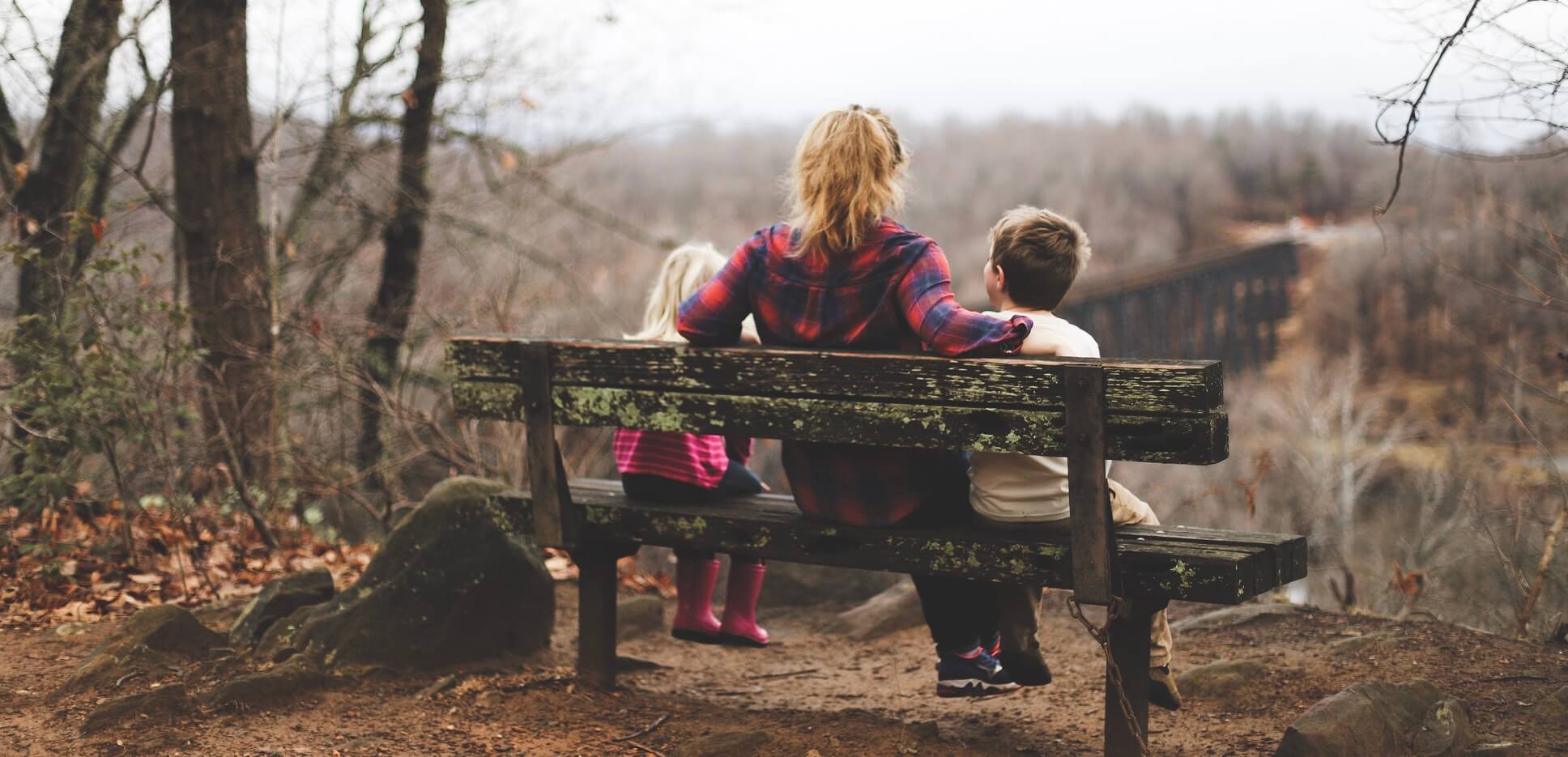
Boredom used to make me uncomfortable. As a mom, I felt responsible for filling every gap, as if every quiet moment needed a plan or a purpose. I scheduled activities, suggested games, and reached for music or screens to keep things moving. Over time, though, I started to notice a pattern. The more I filled the silence, the less space my kids had to think, imagine, and create. And if I’m honest, the less space I had, too.
Now, I see boredom differently. I see it as a gift, not just for them, but for me.
Letting the Mind Wander
Boredom creates space, and that space is where something new begins. When my kids say they’re bored, I no longer rush in with solutions. I let the moment sit, even when it feels uncomfortable at first. There’s usually a lull, a stretch of nothing happening, and then something always emerges. A game takes shape, a story unfolds, or a silly song fills the room. Their minds stretch in ways they can’t when everything is handed to them.
What surprises me most is what happens to me in those same moments. When I resist the urge to fill the silence, my own thoughts begin to settle. Ideas return. My mind feels less crowded. In that quiet, I start to hear myself again.
Creativity Needs Room to Breathe
As a music mom, I’ve learned that creativity does not respond well to pressure or constant stimulation. It needs room to breathe, and it often shows up when I stop chasing it. Some of my best ideas have come in the most ordinary moments, like driving in silence, sitting outside for a few minutes, or folding laundry without distraction. That empty space gives my thoughts somewhere to land.
Our kids need that same kind of space. When we remove constant noise and structure, we give them the opportunity to discover their own ideas. Creativity grows in those in-between moments, the ones that feel unproductive on the surface but are actually full of possibility underneath.
Boredom Builds Problem-Solving
When kids experience boredom, they face a choice. They can stay stuck in that feeling, or they can create something new to move past it. That small decision matters more than we realize, because it teaches them how to think for themselves and how to create their own fun instead of waiting for it to appear.
This shift helps me too. I no longer feel like I have to carry the weight of constant entertainment. I can step back and trust that my kids are capable of figuring things out. That trust builds their confidence, and it also gives me room to breathe.
It Teaches Patience
We live in a world that moves quickly, where answers and entertainment are always within reach. Boredom slows that pace down and asks us to sit with the moment instead of escaping it. For kids, this builds patience and emotional strength over time.
For me, it offers a reminder that I don’t need to fill every second with productivity. I can sit, pause, and simply be. That shift feels small, but it changes the tone of my day. It replaces urgency with calm and pressure with presence.
Finding the Balance
I still love music-filled days and moments of high energy, especially in a house like mine where music plays such a central role. But I’ve learned to balance that with intentional quiet, because not every moment needs a soundtrack and not every afternoon needs a plan.
Sometimes the best thing we can give our kids is space, and sometimes the best thing we can give ourselves is permission to stop filling it.
Trusting the Process
Letting boredom exist takes practice. It requires trust, especially in a world that encourages constant activity. But I’ve seen what happens when I allow that space to unfold, and it has changed how I approach both motherhood and creativity.
Boredom doesn’t signal that something is missing. It signals that something is about to begin. For our kids, it becomes imagination, independence, and confidence. For us, it becomes calm, clarity, and a chance to reconnect with our own thoughts.
In those simple, unplanned moments, something shifts. The house quiets, the mind opens, and we all begin to find our rhythm again.





 The Music Mom: Eileen Carey